What is Direct to Garment (DTG) Printing?

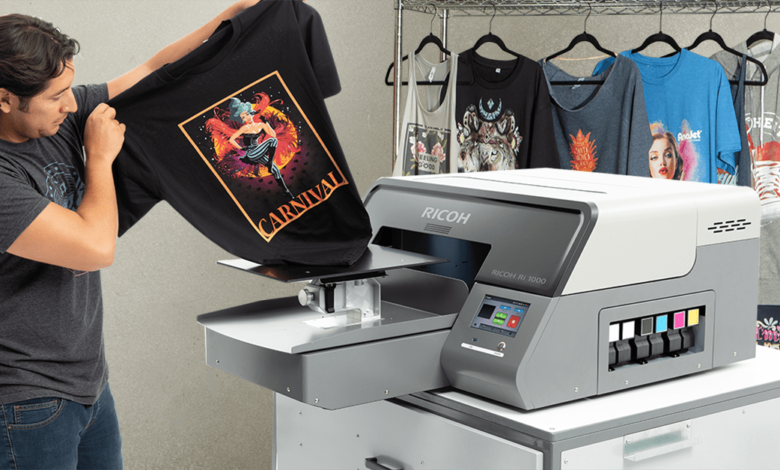
Direct to Garment printing, or DTG for short, is a method used to print designs right onto fabric items like t-shirts, hoodies, and bags. It uses inkjet technology to apply ink directly to the material. This process is popular for creating custom clothing because it allows for full-color prints without needing screens or plates. DTG printing started gaining traction in the early 2000s when printers became more affordable and reliable. Today, it’s a go-to option for small businesses, artists, and anyone who wants to make personalized items in small quantities.
In DTG printing, the printer sprays water-based inks onto the garment. These inks soak into the fibers, creating a soft feel that blends with the fabric. Unlike older methods, DTG can handle complex designs with many colors easily. It’s ideal for photos, gradients, and detailed artwork. People often choose DTG for its quick setup time and ability to print on demand. This means you can produce one item at a time without wasting materials.
The equipment for DTG includes a special printer, a pretreatment machine, and a heat press. The printer looks like a large desktop inkjet but is built for textiles. Pretreatment prepares the fabric to hold the ink better, especially on dark colors. After printing, a heat press cures the ink to make it last through washes. DTG works best on cotton or cotton blends because the inks bond well with natural fibers. Synthetic materials might need extra steps or different inks.
Many online stores and print shops use DTG to offer custom products. For example, you can upload your design to a website, and they print it on a shirt and ship it to you. This has made it easier for creators to sell their work without large upfront costs. DTG is also used in events, promotions, and personal gifts. Its growth comes from advances in technology that make prints sharper and more durable.
How Does DTG Printing Work?
DTG printing follows a step-by-step process that starts with preparing the design and ends with a finished product. First, you create or select a digital image on your computer. This can be anything from a logo to a photo. The file needs to be in a format like PNG or JPEG with high resolution for clear results.
Next, you pretreat the garment. This involves spraying a liquid solution on the area where the print will go. The pretreatment helps the ink stick to the fabric and prevents it from bleeding. For light-colored fabrics, you might skip this or use less, but for dark ones, it’s a must to make white ink show up properly.
After pretreatment, you load the garment onto the printer’s platen, which is a flat surface that holds it in place. The printer then uses its print heads to spray the inks in layers. It starts with white ink as a base on dark fabrics, then adds the colors on top. The process is controlled by software that tells the printer where to put each drop of ink.
Once printed, the garment goes into a heat press or conveyor dryer. Heat sets the ink, making it resistant to fading and cracking. This curing step usually takes a minute or two at around 320 degrees Fahrenheit. After cooling, the item is ready to wear or package.
The inks used in DTG are water-based and eco-friendly. They contain pigments that penetrate the fabric for a breathable finish. Printers have multiple color channels, like cyan, magenta, yellow, black, and white. This allows for millions of color combinations. The whole process can take just a few minutes per item, depending on the design size and complexity.
Maintenance is key for good results. You need to clean the print heads regularly to avoid clogs. Also, store inks in a cool place and shake them before use. If done right, DTG prints can last 50 or more washes without losing quality.
Advantages of DTG Printing
DTG printing has several benefits that make it stand out. One big plus is the ability to print full-color designs without extra setup. You don’t need to make separate screens for each color, which saves time and money for small runs.
Another advantage is the soft hand feel. The ink absorbs into the fabric, so it doesn’t feel thick or rubbery like some other prints. This makes the clothing more comfortable to wear.
DTG is great for customization. You can change designs quickly between prints, perfect for personalized items like names or dates on shirts. It’s also good for testing ideas since you can print just one or two pieces.
Cost-wise, DTG is affordable for low volumes. There’s no minimum order, unlike methods that require bulk production. This lowers the risk for new businesses.
Environmentally, DTG uses less water and waste than traditional printing. The inks are often non-toxic, and you only print what’s needed.
Finally, DTG handles details well. Fine lines, shadows, and photorealistic images come out sharp. This opens up options for artists and photographers to put their work on apparel.
Disadvantages of DTG Printing
While DTG has many upsides, it also has some downsides. The main one is the cost per print for large quantities. Each item takes time to print, so it’s not efficient for hundreds of the same design.
DTG works best on cotton, but on polyester or blends, colors might not be as vibrant without special treatments. This limits fabric choices.
Pretreatment can be messy and adds an extra step. If not done evenly, it leads to uneven prints or ink not sticking well.
Printers need regular care to prevent issues like nozzle clogs. Downtime for cleaning can slow production.
Washing durability is good but not as strong as some other methods on certain fabrics. Prints might fade faster if washed in hot water or dried on high heat.
Upfront investment is another factor. Good DTG machines cost thousands of dollars, plus ongoing supplies like inks and pretreatment fluid.
DTG vs. Other Printing Methods
Comparing DTG to screen printing, DTG wins for small batches and complex colors. Screen printing needs screens for each color, making it better for large runs of simple designs. Screen prints are more durable on heavy use items.
Against heat transfer vinyl, DTG offers softer feels and more color options. Vinyl is good for single-color logos but feels plasticky.
Sublimation printing is similar, but it works only on polyester and light colors. DTG can do dark fabrics with white ink underlay.
Direct to Film (DTF) is a newer method where you print on film and then transfer it to fabric. It’s more versatile with materials but requires more steps than DTG.
Overall, DTG is best for quality over quantity, while others are better suited to mass production or specific fabrics.
When to Use DTG Printing
Use DTG for custom apparel like band merch, event tees, or family reunions where orders are small. It’s perfect for e-commerce stores selling unique designs on demand.
Artists can print their artwork on canvases or totes. Businesses use it for branded uniforms in limited numbers.
Avoid DTG for outdoor gear that needs extreme durability or for very large prints that cover the whole garment.
Getting Started with DTG Printing
To start, research equipment. Look into the DTG printer price to find options that fit your budget. Entry-level models are around a few thousand dollars, while pro ones cost more.
Choose a reliable direct to garment machine for sale from trusted suppliers. Consider features like print size, speed, and ease of use.
Set up a workspace with good ventilation for inks. Learn software like RIP programs to optimize designs.
Practice on test fabrics to get the hang of pretreatment and curing. Join online communities for tips from other users.
With the right setup, DTG can be a fun and profitable way to create custom items.
In summary, DTG printing is a versatile method for high-quality, custom fabric prints. It suits many needs but works best for small-scale production. If you’re interested, explore the options and start small.